
Top AI Tarot Reading Sites for 2026

Tarot cards are captivating not only because they may point to what lies ahead, but also because they can help us tune into our subconscious, awaken our inner intuition, and connect more deeply with our higher self. So studying tarot is more than picking up a skill—it can also help you walk the paths of physical, mental, and meditative healing with greater calm and confidence. And when a major decision comes up, tarot can offer you additional perspectives to reflect on. Now let Echo Tarot Master guide you as we uncover the mysteries of the tarot together!
Tarot Cards What is it?
By the 15th century, tarot was already a well-loved card game in Europe. A deck holds 78 cards in total: 22 Major Arcana and 56 Minor Arcana. Every card carries its own imagery, colors, and elements, each with a distinct meaning.
The Major Arcana run from 0 to 21. Each card speaks to a major spiritual theme in life and to a person's inner and psychological state. Facing a specific question, a Major Arcana card also reflects what you truly think inside, apart from any outside influence. All 22 cards carry their own distinct meaning:
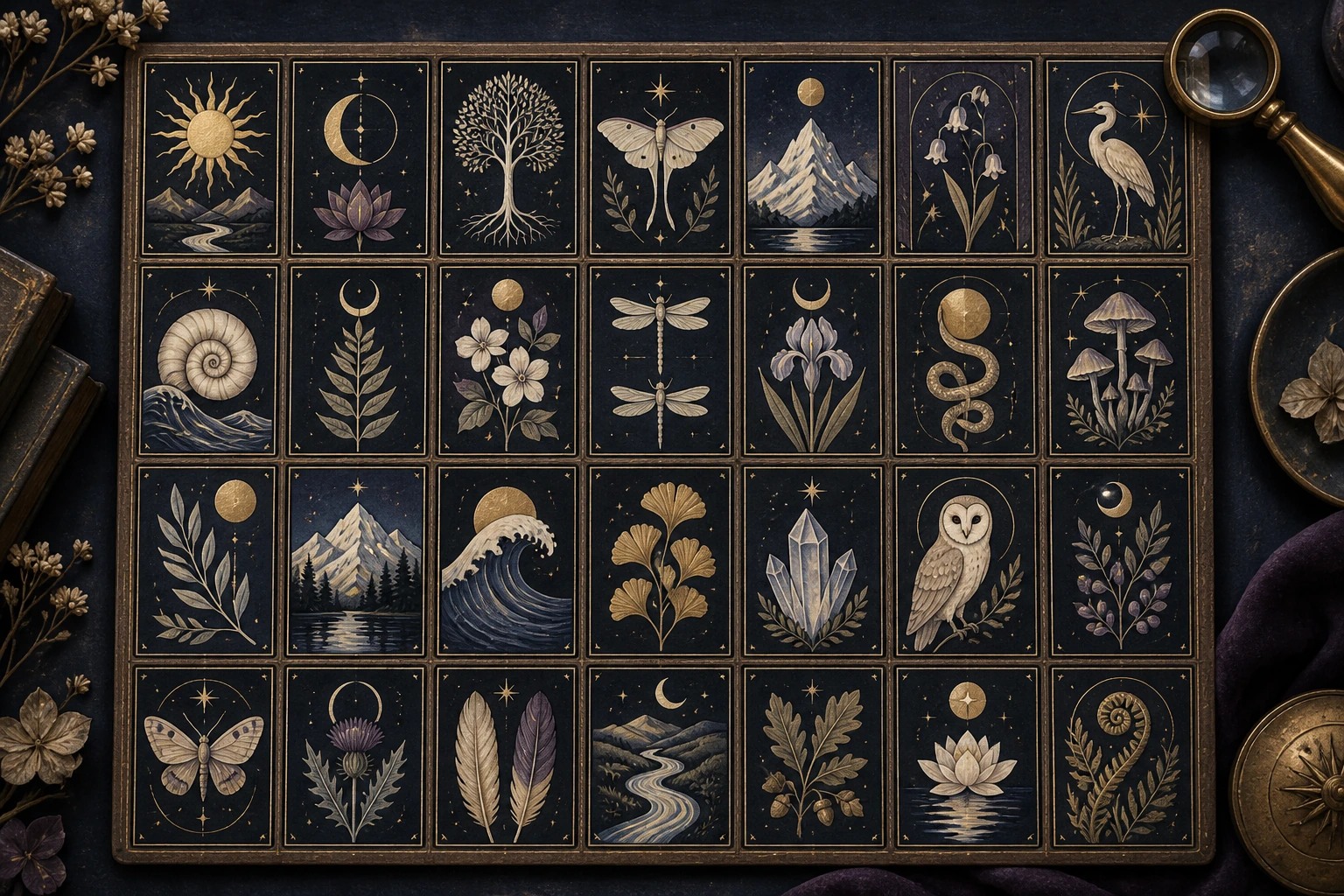
The Minor Arcana can better reflect the specific events of our daily lives or how things actually play out. They consist of 56 cards divided into four elements. Each element contains 14 cards: 10 numbered cards (1–10) and 4 court cards (Page, Knight, Queen, and King). These 56 cards tend to mirror the concrete situations and energies of our everyday life. As mentioned above, the Major Arcana reflect inner thoughts, while the Minor Arcana represent how things unfold in reality and whether obstacles are present:
- Wands (Fire): passion, creativity, and action
- Cups (Water): emotions, relationships, and intuition
- Swords (Wind): ideas, communication, and challenges
- Coins (Earth): material matters, wealth, and practical concerns
The three main tarot systems
Before studying tarot, it helps to get familiar with the different tarot systems. Here are the three most common ones:
- Waite Tarot: The most widely recognized tarot system, created by Arthur Edward Waite. Its cards mainly feature people and are rich in imagery, making it a good fit for beginners.
- Marseille Tarot: One of the oldest tarot cards, the card design is simple and relies more on symbols and numbers. A great choice for those who like intuitive interpretations.
- Thoth Tarot: Created by the well-known occultist Aleister Crowley, it weaves together astrology, Kabbalah, and alchemy. Its imagery is intricate, making it better suited to more advanced learners. Generally speaking, for beginners the Waite Tarot is the simplest and easiest to interpret. Its cards are packed with detail, use vivid colors, and are straightforward to read. That's why I suggest starting your tarot journey with the Waite Tarot.
Six essential steps for getting started with tarot!
As an experienced tarot reader, I strongly suggest beginners follow these six steps to begin their tarot journey:
- Find a deck of tarot cards for beginners
To begin with, I suggest getting your own physical tarot deck, even though Online Divination Tools There are many options, but physical tools often resonate with us more strongly and help us form deeper connections. Plenty of beautifully designed tarot decks are available on the market. I suggest buying an original Rider-Waite tarot deck. Its card meanings are the clearest and easiest to grasp, and the interpretations are less difficult, making it easier for beginners to associate and remember.
- get to know what each tarot card means
Each card has its own different meaning. It is recommended that you meditate on each image after getting the physical card, and combine its basic card meanings for deep memory. It is also recommended that you calm down after getting up early every morning, sort out your status, and draw a tarot card to represent your status that day. We also call it "daily luck". You can associate what happened today with the cards to see if they can correspond to the basic card meanings. You will find this method very interesting and deepen your understanding of the card meanings in practice.
- Clarify your questions
Before you begin a tarot reading, it's essential to define your question clearly. Vague questions tend to produce vague answers. Remember, tarot isn't only about predicting good or bad luck—it's also a tool for deep self-exploration.
Examples of good questions: "How can I improve my current working situation?", "What does he think of me now?", "Should I choose Company A or Company B for development?" Unideal questions: "How will my job change?"
When you form a question, try to focus on what you can actually act on rather than simply asking what the future will bring. What makes tarot intriguing is that it can show you where you believe change is possible, and where you need to respect the natural course of events. In other words, it teaches you to "go with the flow" more skillfully instead of trying to force fortune. Still, everything ultimately depends on your own effort. And please remember: how much of the universe's gift you receive also depends on how much you actually change.
A deck is the way you lay out your tarot cards, and different decks are suitable for different types of questions. As a beginner, you can start with simple decks such as a single card or a three-card spread.
Here are a few spreads recommended for beginners, so you can get started quickly and sharpen your sensitivity to layouts:
(1)Single card break : That is, only one card is drawn to determine the answer to the question. This is more suitable for interpreting "Yes or no" questions, such as "Should I take the initiative to find him?"
(2) Time flow three-card array: The three cards represent the past, present, and future states respectively. When the three cards are combined, the future trend and final result can be inferred
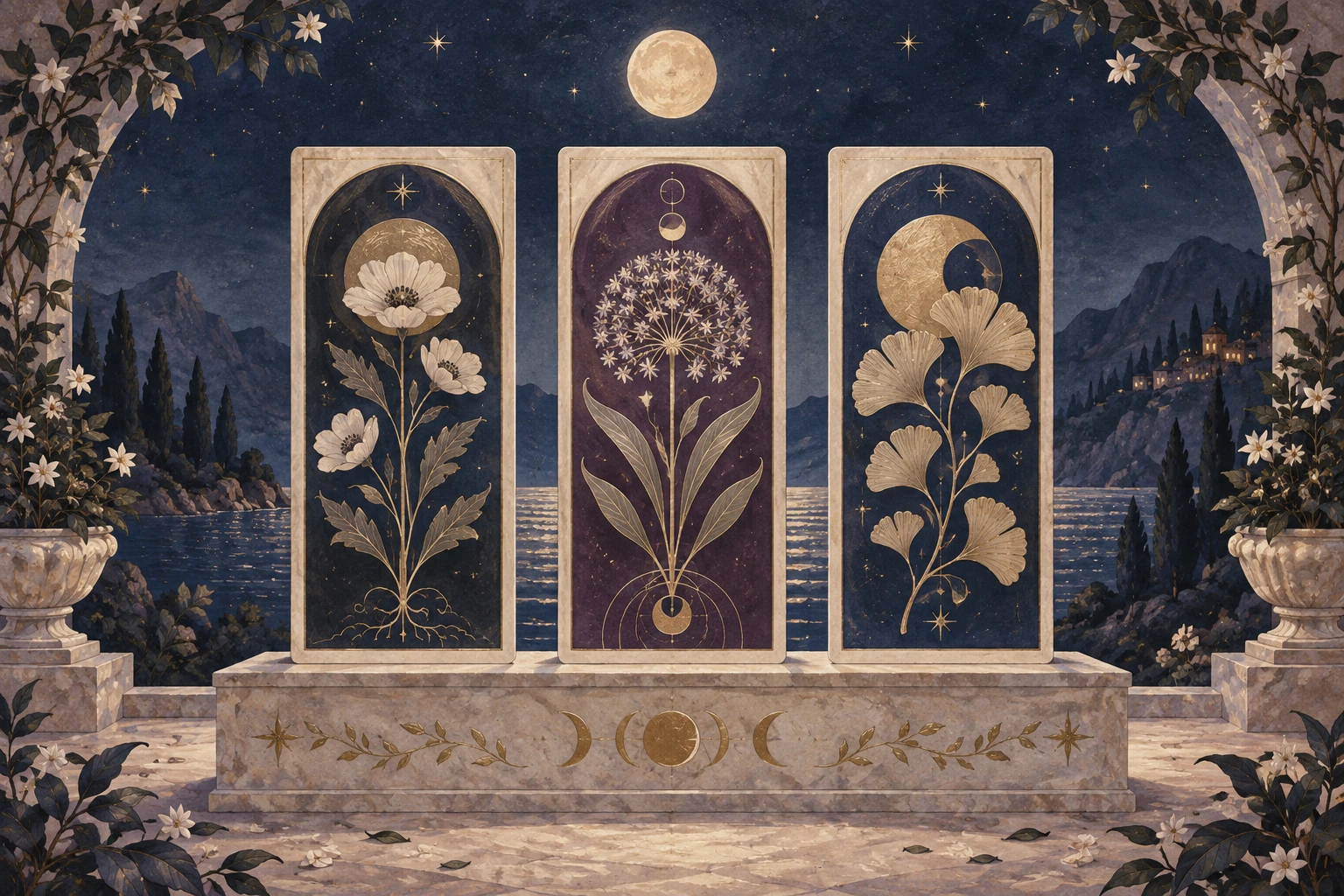 These two types are better suited to beginners. They use fewer cards and are easy to start with. Later, I'll introduce several classic spreads I often like to use. Once you've gotten comfortable with the two above, you can try learning new spreads.
- Shuffling and laying out the cards
Shuffling is an important ritual in tarot reading—it helps you focus and build an energetic connection with the cards. There's no fixed way to shuffle; just choose whatever method feels comfortable to you. Each time you ask a new question, try to shuffle again and reset the cards' energy. Personally, I prefer the "mahjong" style of shuffling. I spread the cards out and push them around like mahjong tiles. While shuffling, I can follow my intuition to move some cards from the bottom to the top. This approach is gentler on the card surfaces and helps ensure the cards are shuffled as randomly as possible. You're welcome to use it as a reference.
Shuffle the cards while repeating your question in your mind. When you feel ready, you can begin drawing and laying out cards according to the spread you've chosen.
- Interpret the cards and record
Once the cards are turned over, look closely at the images, symbols, and colors on each one. Don't hurry to look up meanings — try listening to your intuition first and see whether a sense of good or bad arises on its own. A card may also stir up certain feelings or memories in you, and those are an important part of the reading.
After the interpretation is completed, it is recommended that you record the content of the divination, including your questions, the cards you drew and your interpretation. As the number of practices increases, you will find that your interpretation skills and practical experience continue to improve.
Different spreads suit different kinds of questions. Here are nine tarot spreads that are commonly used, along with what each one does:
- Single card array
The simplest and most direct spread, ideal when you need a quick answer—especially for questions.
A question you could ask: "Is today a good time to reach out to him?"
- Three Card Array (Stream of Time)
can represent the past, present, future, or the cause, current situation, or solution of a problem.
A question you could ask: "What can I do to build better relationships with my coworkers?"
- Two Options Spread
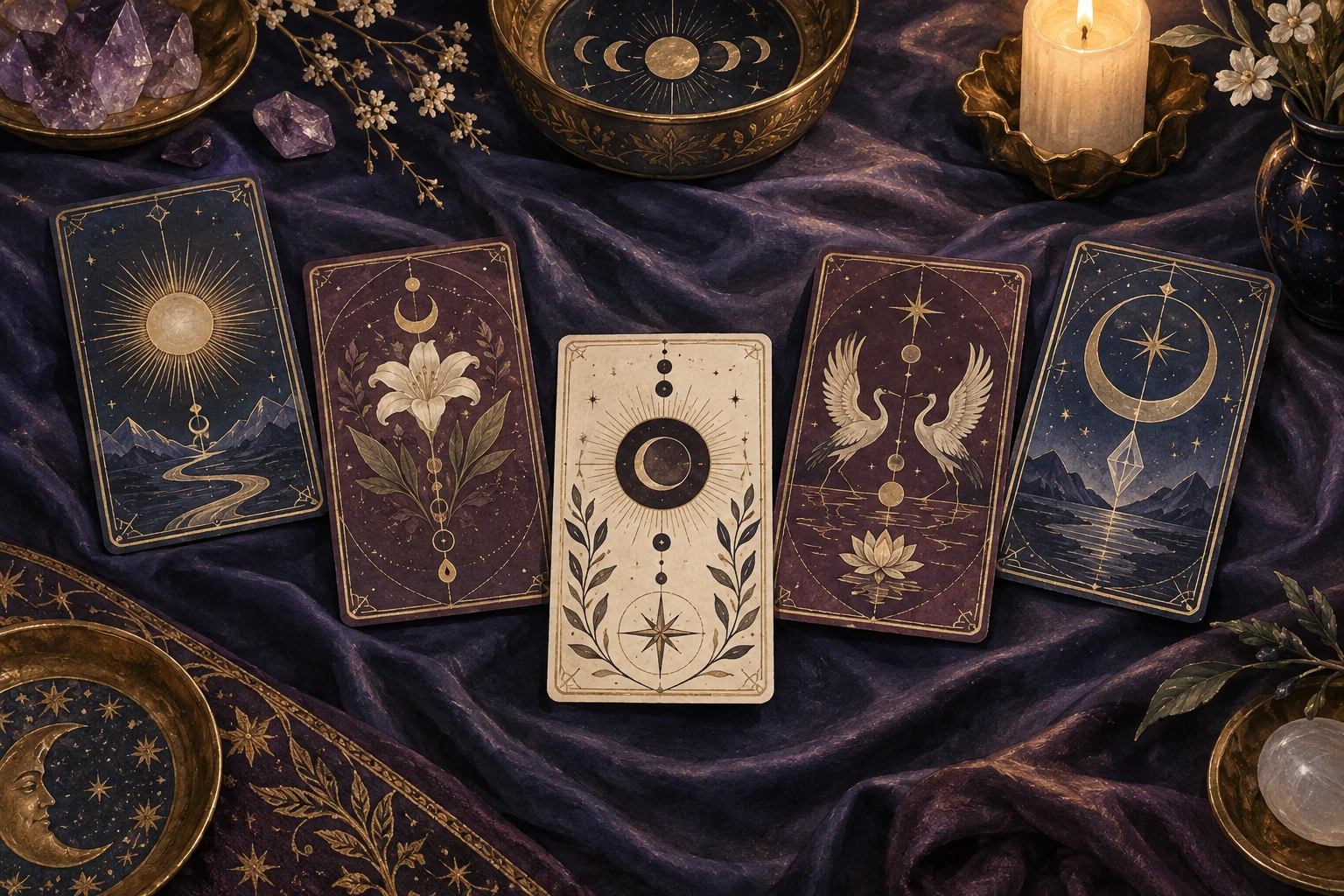
helps decide between two or more options.
A question you could ask: "Should I take the new job offer, or should I remain with my current employer?"
- Hexagram
Provides in-depth analysis of different aspects of a relationship or situation.
A question you could ask: "What challenges are my partner and I facing, and what steps can we take to improve things?"
- Celtic Cross Tarot Spread
A comprehensive and in-depth exploration of a complex issue.
A question you could ask: "Does my current career direction suit me, and what changes might I need to consider?"
- V-shaped Horseshoe spread
Analyze the past, present, and future of the problem and provide solutions.
A question you could ask: "What steps can I take to move past my current money struggles?"
- Tree of Life Card Formation
A comprehensive analysis of all aspects of life based on the Kabbalah Tree of Life.
A question you could ask: "How can I find balance and keep growing across every part of my life?"
- Relationship Cross Array
is designed to analyze relationships.
A question you could ask: "What issues exist between my partner and me, and how might we strengthen our relationship?"
- Monthly prospect deck
.
A question you could ask: "What might the coming month hold for my work, my relationships, and my health?"
Tips for Learning Tarot
- Stay open-minded: the cards are only a tool, and whatever power they hold comes from your own intuition and wisdom.
- Draw a card every day : Make it a habit to draw a card every morning and think about its guidance for your day.
- Record your readings: Keep a tarot journal to record your questions, cards drawn and readings.
- Trust your gut: While learning standard card meanings matters, it's just as important to trust your own intuitive interpretations.
- Practice, practice, practice: practice makes perfect, do more divination for yourself and your friends, practice is the best teacher.
- Try different spreads: Start with simple ones, then gradually experiment with more complex layouts.
- Check out the Tarot Divination Channel to learnTarot Whispering public readings
Tarot Spreads
Tarot is a powerful companion for self-exploration and personal growth. It can help us see our present circumstances more clearly and also point us toward the wisdom that already lives within. Keep in mind that the real strength of tarot comes from your own intuition and insight.
On your tarot journey, keep an open and curious mind. Through ongoing learning and practice, you'll find that tarot becomes a valuable compass in your life, helping you make wiser choices along the way.
May the light of tarot wisdom illuminate your path and guide you toward a richer, more fulfilling life! If you'd like to try free online tarot, click the link below to give it a go!
Start your free online tarot reading nowRemember, tarot cards are a mirror that reflects your inner self. Listen to the whispers of Tarot, but also listen to your own inner voice. I hope you can find the answer and direction of life under the guidance of Tarot.